-
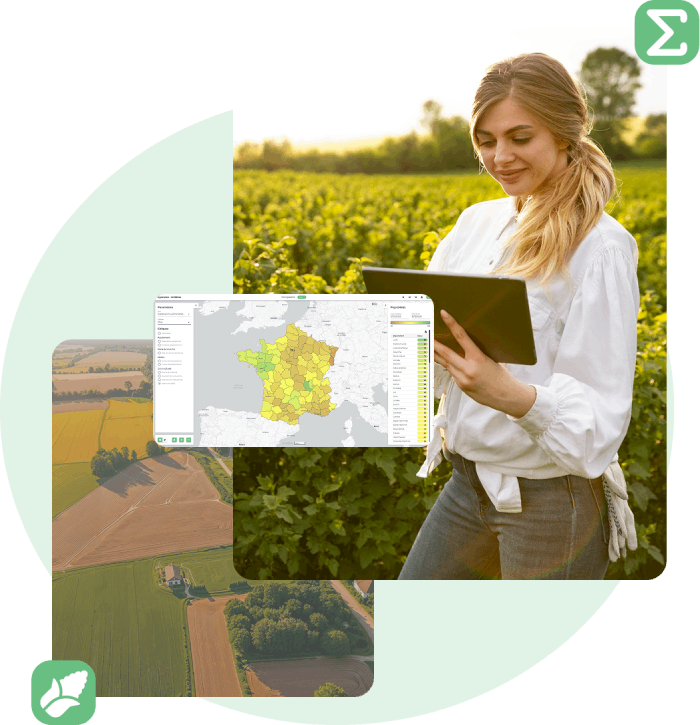
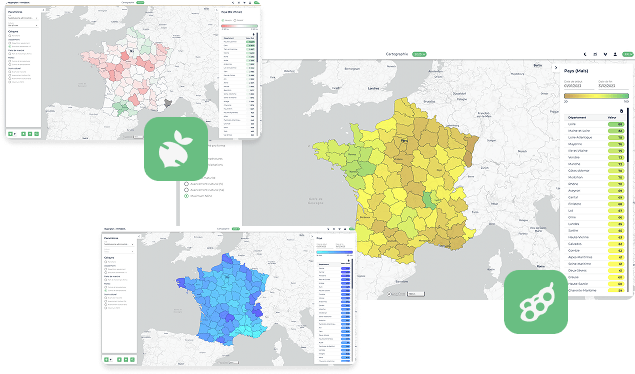
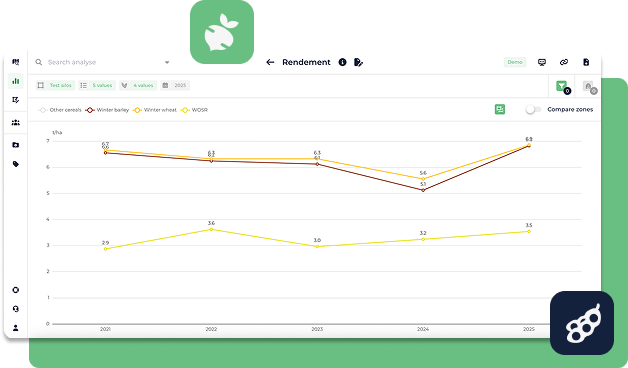
 Earlier regional volume signalsSee expected production by region during the season so collection forecasts aren't forced to rely on last year's averages or late confirmations.
 -
 Regional volume distributionUnderstand where volumes are likely to concentrate so storage and handling capacity are allocated earlier.
 -
 Forecast confidence over timeTrack how expectations change as conditions evolve so plans adjust gradually, not abruptly at harvest.
-
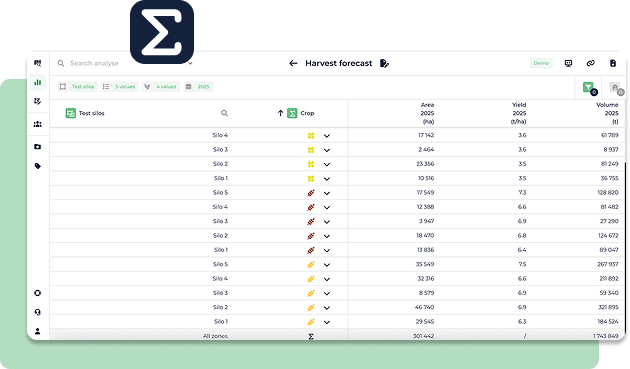
 Storage capacity planningAlign bin space and storage strategy with expected volume and timing, not late confirmations.
 -
 Transportation readiness signalsPlan trucking and routing based on how harvest timing is shaping up across regions.
 -
 Early operational risk signalsSpot regional imbalances early before they trigger unplanned transport costs, storage congestion, or margin erosion.
-
 Build your intake forecast.Layer in parcel-level crop data, regional development signals, and volume expectations to build a dynamic, in-season view of what's likely to arrive — and when.
 -
 Identify the pressure points.See which regions are running ahead or behind, where volume is likely to concentrate, and when peak intake windows will hit — early enough to adjust before they arrive.
 -
 Plan with confidence, adjust in real time.Align storage, staffing, and logistics to what the season is actually showing — not what last year's average suggested.